
What is
KALYRA?
KALYRA stands for Kalimantan Alliance for Land Yield Restoration and Adaptation — a carbon ecosystem initiative operating in East Kalimantan, Indonesia.
Born in East Kalimantan, KALYRA was established around a simple belief: climate action is strongest when it creates value for forests, communities, governments, investors, and future generations alike.
The project spans 36,247.66 hectares with 32,263.10 hectares usable, part of the Heart of Borneo National Strategic Area. Using the Verra VM0047 Afforestation, Reforestation, and Revegetation (ARR) methodology, KALYRA projects an estimated carbon production of 269,920 – 402,770 tCO2e/year.
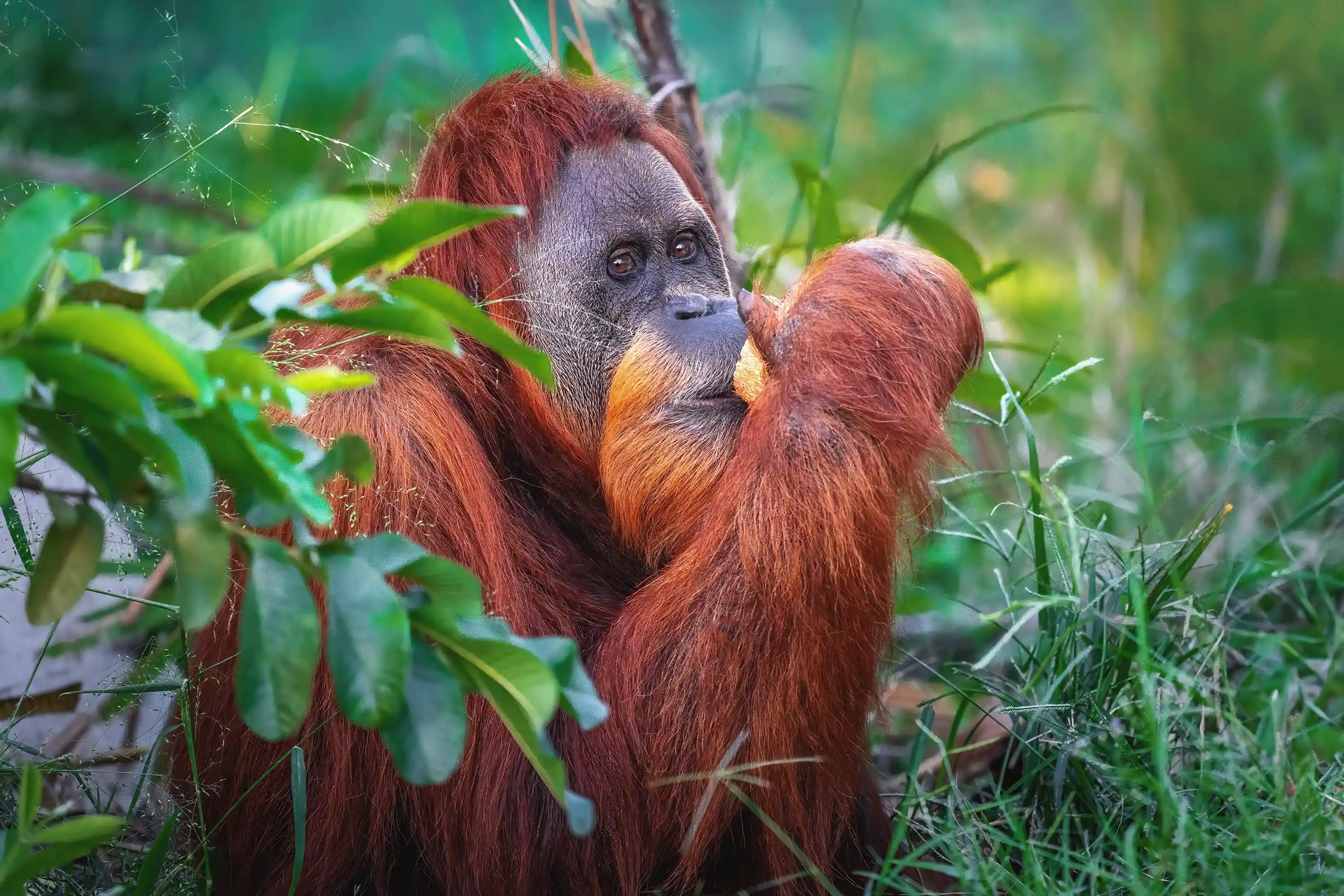
Home to various Dayak tribes, including the Kenyah tribe, and endangered wildlife including the proboscis monkey and orangutan. The land comprises Primary Dryland Tropical Forest, Agricultural land, and other vegetation classes — with approximately 89% of land area qualifying for carbon project activities.
East Kalimantan, Indonesia
Heart of Borneo Conservation Corridor
Muvun Balan
From the Kenyah language, an East Kalimantan Dayak tribe — "Restoring the Path of Life Together"
More than a philosophy. It embodies emphasis on the community aspect of the project, a respectful reference to the East Kalimantan Dayak tribe's philosophy of togetherness and the nurturing of one's home out of remembrance for our ancestral roots.
Inspired by Muvun Balan, we believe climate action succeeds when ecological restoration, community prosperity, and economic viability move forward as one.
Vision
To become a leading model for high-integrity, community-grounded carbon ecosystems that inspire replication across Indonesia and beyond.
Mission
To restore and protect forest landscapes through credible climate action while creating sustainable economic opportunities for local communities.
Integrity Before Scale
Community at the Center
Long-Term Thinking
Shared Prosperity
Stewardship
Our Methodology
KALYRA operates under the Verra VM0047 methodology for Afforestation, Reforestation, and Revegetation (ARR). The project comprises 32 annual planting cohorts of approximately 1,000 ha each, established sequentially between project years 1 and 32, within a 40-year crediting horizon.
The cohort-based approach ensures operational realism, risk diversification, and methodology compliance. Nursery, site preparation, and labor capacity bound annual planting to ~1,000 ha. Staggered planting distributes exposure to climate, fire, pest, and mortality risks.
Forest Typology
Land cover composition within the concession
Primary Dryland Tropical Forest
Dryland Agriculture
Herbaceous Agriculture
Other (Water, Wetland, etc.)
Our Contribution to the
Sustainable Development Goals
How KALYRA aligns with the United Nations 2030 Agenda